.webp)
The Car Accident Claim Process: What Happens After You Hire Our Firm?
By Kris Crawford, Esq.
Originally Published: July, 2026
Last Reviewed & Updated: August, 2026
If you've never been involved in a car accident claim before, you may wonder what happens after you hire an attorney. While every case is different, most personal injury claims follow a similar path. Understanding the process can help reduce stress and allow you to focus on what matters most: your recovery.
Handled by Attorney Kris Crawford
Every case is personally overseen by attorney Kris Crawford. From investigating the accident and obtaining medical records to negotiating liens and settlement offers, our office guides clients through every stage of the injury claim process.
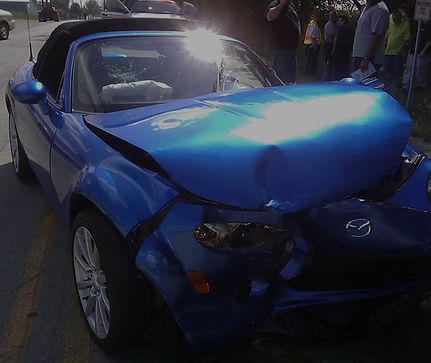

Step 1: The Accident Happens
The process begins the moment the collision occurs.
If possible, you should:
Call 911
Take photographs of the vehicles, scene, and injuries
Obtain witness information
Cooperate with law enforcement
Notify your insurance company
Many injuries do not appear immediately. Adrenaline can mask symptoms for hours or even days after a crash.
Even if you believe your injuries are minor, it is important to be evaluated by a medical professional.
Check out our "What to do After an Accident"
Step 2: Get Medical Treatment Immediately
One of the biggest mistakes accident victims make is delaying treatment.
Insurance companies often argue that gaps in treatment mean the injuries were not serious or were caused by something else.
Seeking prompt medical care creates documentation linking your injuries to the collision.
Depending on your symptoms, treatment may include:
Emergency room care
Urgent care visits
Primary care physicians
Chiropractors
Physical therapists
Orthopedic specialists
Neurologists
Pain management doctors
Your health should always come first.
Step 3: Contact an Experienced Car Accident Attorney
After addressing your immediate medical needs, contacting an attorney can help protect your rights.
The insurance company begins building its defense immediately after a crash.
Having legal representation early can help preserve evidence and prevent costly mistakes.
During your consultation, we discuss:
How the accident occurred
Your injuries
Available insurance coverage
Potential challenges in the case
The next steps moving forward
Step 4: Fill Out Our Online Intake Form and Sign the Fee Agreement
If we agree to represent you, we will provide a link to our online intake form and we will review and sign a contingency fee agreement.
This means:
No upfront attorney fees
No hourly billing
We only get paid if we recover compensation for you
We will also have you sign the necessary authorizations that allow us to obtain medical records, bills, and other important documents related to your claim.
Step 5: We Send Letters of Representation
Once retained, we immediately notify all insurance companies involved that you are represented by counsel.
These Letters of Representation (LORs):
Direct insurance companies to communicate with our office
Request policy information
Preserve evidence
Prevent adjusters from contacting you directly
This allows you to focus on treatment while we handle the legal aspects of the claim.
Step 6: Continue Treatment Without Gaps
Medical treatment is one of the most important components of a personal injury claim.
We encourage clients to:
Follow doctors' recommendations
Attend scheduled appointments
Complete physical therapy
Follow through with specialist referrals
Avoid unnecessary treatment gaps
Consistency in treatment not only helps your recovery but also strengthens your case.
Step 7: Advanced Diagnostic Testing
When symptoms persist, additional diagnostic testing may be necessary.
This often includes:
MRI scans
CT scans
Nerve conduction studies
EMG testing
Orthopedic evaluations
MRI findings can be particularly important because they often reveal injuries that are not visible on X-rays, such as:
Herniated discs
Bulging discs
Ligament injuries
Soft tissue damage
Obtaining appropriate diagnostic testing early can help ensure that injuries are properly diagnosed and treated.
Step 8: We Investigate and Build Your Case
While you focus on recovery, our office begins building the claim.
This may involve gathering:
Police reports
Traffic collision reports
Witness statements
Photographs
Video footage
Vehicle damage documentation
Insurance information
Medical records
Medical bills
Our goal is to develop a complete picture of both liability and damages.
Step 9: Treatment Reaches Maximum Medical Improvement
Before settling a case, it is important to understand the full extent of your injuries.
Many clients complete treatment when:
They are fully recovered
Their doctors release them from care
They reach Maximum Medical Improvement (MMI)
Settling too early can leave money on the table if future treatment becomes necessary.
Step 10: We Gather All Medical Records and Bills
Once treatment is complete or substantially complete, we order and organize all records and billing documentation.
This often includes records from:
Emergency rooms
Ambulance providers
Chiropractors
Physical therapists
Orthopedic specialists
Imaging facilities
Pain management providers
Surgeons
We carefully review the documentation to ensure accuracy and completeness.
Step 11: We Prepare a Comprehensive Settlement Demand
The demand package is one of the most important documents in the entire case.
A strong demand package typically includes:
Liability analysis
Medical treatment summary
Injury descriptions
MRI findings
Photographs
Medical bills
Wage loss documentation
Pain and suffering analysis
Supporting evidence
The purpose is to present a persuasive case for full and fair compensation.
Check here for our Past Settlements Results
Step 12: The Insurance Company Reviews the Demand
After receiving the demand package, the insurance adjuster reviews the claim.
Several outcomes are possible:
Acceptance
The insurance company agrees to pay the amount requested.
Counteroffer
The insurance company responds with a lower settlement offer.
Additional Investigation
The insurance company requests additional information before making an offer.
Most cases involve some level of negotiation.
Step 13: Negotiation
Settlement negotiations may continue through several rounds.
We discuss every settlement offer with our clients and provide guidance regarding:
Strengths of the case
Risks of litigation
Settlement value
Future medical considerations
The final decision to settle always belongs to the client.
Step 14: Settlement and Release
Once an agreement is reached, the insurance company prepares a settlement release.
The release is a legal document that:
Finalizes the claim
Resolves future liability
Authorizes payment
We review the release before it is signed.
Step 15: Settlement Funds Are Sent to Our Trust Account
After the signed release is returned, the insurance company issues the settlement check.
The settlement funds are deposited into our attorney trust account, where they remain until all required disbursements can be made.
This process protects client funds and ensures proper accounting.
Step 16: We Negotiate Medical Liens and Outstanding Balances
Many accident victims receive treatment through:
Health insurance
Medical providers
Government benefit programs
Before funds can be distributed, these obligations must be resolved.
Our office works to negotiate reductions whenever possible.
Reducing liens and balances can often increase the amount our clients take home from their settlement.
Step 17: Final Settlement Breakdown
Before any funds are distributed, we provide a detailed settlement statement showing:
Total settlement amount
Attorney fees
Case costs
Medical liens
Medical bills
Client's net recovery
We review the numbers with the client and answer any questions.
Typically, in soft tissue injury cases, the client will net at least 1/3 of the total settlement amount.
We have not and will not ever make more than the client
Step 18: Distribution of Settlement Funds
Once all obligations have been resolved, funds are distributed.
Checks are issued from the trust account to:
Medical providers
Lienholders
Health insurance reimbursement entities
The client
Our goal is to complete this process as efficiently as possible while ensuring compliance with all legal and ethical requirements.
Step 19: You Move Forward
The ultimate purpose of a personal injury claim is to help injured individuals recover physically, emotionally, and financially after a serious accident.
While no settlement can erase what happened, obtaining fair compensation can help provide closure and allow you to move forward with confidence.
If you have been injured in a car accident and have questions about the claims process, our office is available to help guide you every step of the way.
Step 20: Case Closing and Client Feedback
At this point, we are all done.
You should have received your money and the bills are paid.
We may ask that you write a review to let other people know how your experience working with us was because that is where we get our clients. Not from billboards and pushy tactics.
Helping Injury Victims Across Riverside County
Our firm helps accident victims throughout Southwest Riverside County, including Menifee, Murrieta, Temecula, Wildomar, Lake Elsinore, Canyon Lake, Hemet, San Jacinto, Perris, and surrounding communities.
No matter where your accident occurred, we guide clients through every stage of the claims process—from medical treatment and insurance claims to settlement negotiations and final disbursement of settlement funds.