.webp)
15 Costly Mistakes to Avoid After a California Car Accident
By Kris Crawford, Esq.
Originally Published: August, 2026
Last Reviewed & Updated: August, 2026
Every week, I speak with people who unknowingly hurt their own injury claims before they ever contact an attorney. Most of these mistakes are understandable.
After a car accident, you're focused on your health, your vehicle, your family, and getting back to normal—not on protecting a future insurance claim.
Over the years representing California car accident victims, I've seen many of the same problems come up again and again. Even seemingly minor mistakes can significantly affect the value of a personal injury claim. The good news is that most of them are avoidable if you know what to watch for.
Here are some of the most common mistakes I see and how you can avoid them. Written by Kris Crawford, a California personal injury attorney with more than 15 years of experience representing accident victims.

1. Waiting Too Long to Seek Medical Treatment
One of the biggest mistakes I see is people trying to "tough it out."
Many injuries—including spinal injuries, whiplash, herniated discs, and concussions—may not become fully apparent until hours or even days after a crash. Waiting too long can delay your recovery and give the insurance company an argument that your injuries were minor or unrelated to the accident.
Even if your pain seems manageable, it's a good idea to be evaluated by a medical professional as soon as possible.
Once you start treatment, you want to make sure you don't have a gap in treatment.
Learn more: Medical Treatment After an Accident
2. Giving a Recorded Statement Too Soon
Insurance adjusters often request a recorded statement shortly after an accident.
While you should cooperate with your own insurance company when required by your policy, you are generally not required to provide a recorded statement to the other driver's insurance company.
I've seen innocent comments made during these conversations later used to minimize or dispute injury claims. They can also say that there was comparative fault, meaning you were partially or wholly at fault.
3. Accepting the First Settlement Offer
Early settlement offers are often made before the full extent of your injuries is known.
Once you sign a release, your claim is usually over—even if additional medical problems develop later.
Before accepting any settlement, it's important to understand the full value of your claim.
It is important to go through the whole personal injury claim process.
4. Not Following Your Doctor's Recommendations
Missing appointments, stopping treatment early, or failing to follow medical advice can make it appear that your injuries weren't serious.
Insurance companies routinely review medical records looking for gaps or inconsistencies.
5. Posting About the Accident on Social Media
Photos, comments, and even innocent check-ins can sometimes be taken out of context.
I've seen insurance companies use social media to argue that someone was less injured than they claimed.
A good rule is to avoid discussing your accident or injuries online while your claim is pending.
For example, posting photos of yourself water skiing could damage your credibility if you have claimed that your injuries prevent you from working or participating in normal activities.
6. Waiting Too Long to Report the Accident
California law requires certain accidents to be reported, and many insurance policies require prompt notice.
Delays can complicate investigations and make it harder to preserve evidence.
Related Resource: Reporting an Accident, Forms to Fill Out After an Accident
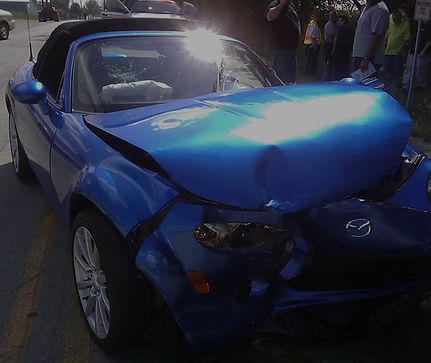
7. Assuming Minor Vehicle Damage Means Minor Injuries
I've represented clients with significant injuries from crashes that caused surprisingly little damage to their vehicles.
Vehicle damage and physical injury don't always correlate. Learn more about the 10 MPH Rear End Crash here.
The important issue is your medical condition—not simply what your bumper looks like.
8. Failing to Preserve Evidence
Photos disappear.
Witnesses move.
Security footage gets overwritten.
The sooner evidence is collected, the stronger your claim may be.
Helpful evidence includes:
Photos of all vehicles
Vehicle damage
Road conditions
Skid marks
Traffic signs
Visible injuries
Witness contact information
9. Repairing or Disposing of Your Vehicle Too Quickly
Sometimes the condition of the vehicle can become important evidence, especially in disputed liability or serious injury cases.
Take plenty of photographs before repairs begin.
10. Not Understanding Your Insurance Coverage
Many drivers don't know whether they have:
Medical Payments Coverage (MedPay)
Underinsured Motorist Coverage
Rental reimbursement
Understanding your policy can significantly affect your options after an accident. If you don't have auto insurance at the time of the accident, you may not get compensation for your pain and suffering due to prop 213.
11. Ignoring Pain Because of Adrenaline
Adrenaline can temporarily mask injuries.
It's common for people to feel "fine" immediately after a collision only to wake up sore the next morning.
Listen to your body and seek medical evaluation if symptoms develop.
If you don't have medical insurance or you have high deductibles, we know medical providers that will work on a medical lien basis.
12. Assuming the Insurance Company Is Looking Out for You
Insurance adjusters have an important job, and many are professional and courteous.
At the same time, they work for the insurance company and are responsible for evaluating claims on its behalf.
That means it's important to understand your rights and make informed decisions before accepting offers or providing information.
13. Waiting Too Long to Speak With an Attorney
Not every accident requires hiring a lawyer.
However, if you've suffered significant injuries, have questions about liability, or are receiving conflicting information from the insurance company, speaking with an attorney early can help you understand your options before important decisions are made.
14. Overlooking Future Damages
Many people focus only on their current medical bills. There are many types of recoverable damages.
Depending on the circumstances, an injury claim may also involve:
Future medical care
Lost earning capacity
Ongoing pain and limitations
Property damage
Other recoverable losses under California law
A settlement should reflect both present and reasonably anticipated damages where supported by the evidence.
15. Trying to Handle Everything Alone
Some claims are straightforward and can be resolved without an attorney.
Others involve disputed liability, significant injuries, multiple insurance policies, liens, or complex legal issues. Knowing when to seek legal advice can make a meaningful difference.

Protect Your Rights After a California Car Accident
Making informed decisions after a crash can help protect both your health and your legal rights.
If you have questions about your accident or simply want to understand your options, the Law Office of Kris Crawford offers free consultations with no obligation.
Whether you decide to hire an attorney or not, getting accurate information early can help you avoid mistakes that may be difficult to correct later.
Helping Injury Victims Across Riverside County
Our firm helps accident victims throughout Southwest Riverside County, including Menifee, Murrieta, Temecula, Wildomar, Lake Elsinore, Canyon Lake, Hemet, San Jacinto, Perris, and surrounding communities.
No matter where your accident occurred, we guide clients through every stage of the claims process—from medical treatment and insurance claims to settlement negotiations and final disbursement of settlement funds.